Disaster Recovery Across Multiple Sites
A resilient recovery model that improved continuity, compliance, and operational confidence.

A recovery environment that had become harder to maintain
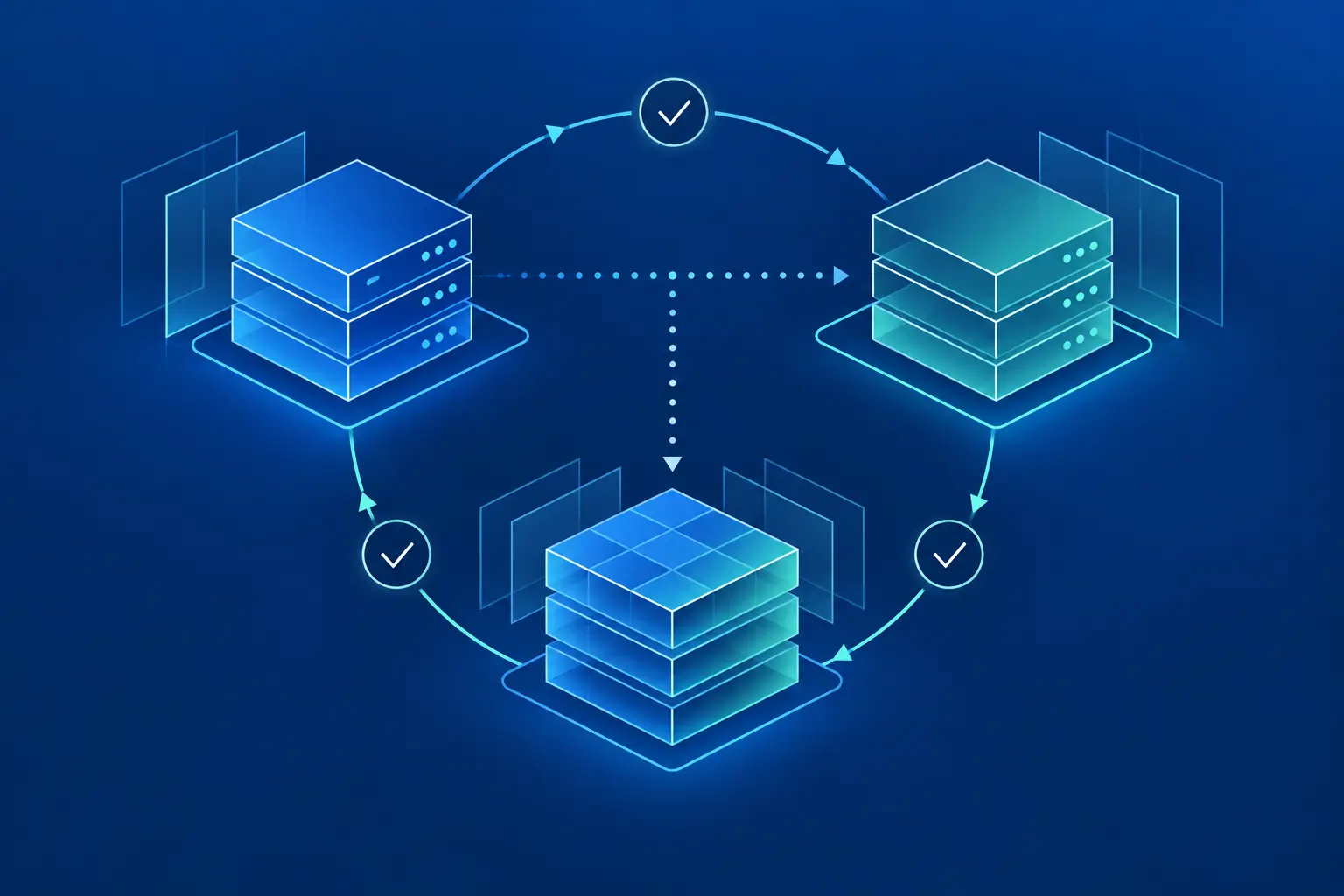
A global enterprise needed to modernize disaster recovery across several data centers without interrupting its business-critical services. Its production, disaster recovery, and virtual desktop infrastructure (VDI) environments had developed different configurations over time. Changes in one location could create compatibility problems in another.
The existing replication platform was also struggling to keep pace with newer Kubernetes and public cloud deployments. Updating the environment carried a risk of failed replication or lost protection during the transition. The client needed a coordinated plan that addressed those dependencies while keeping live operations running.
Coordinate the transition across every site
Techhands assessed the production, recovery, and VDI environments before defining the implementation sequence. The assessment identified configuration differences, software dependencies, and compatibility gaps that needed to be resolved before moving to a common platform.
The team planned the replacement of the legacy replication tool with Veeam Backup & Replication. Implementation stages were coordinated across sites so that versions and configurations remained aligned throughout the transition.
Before execution, Techhands carried out automated recovery verification and failover testing. The team updated dependencies and validated configurations involving the client's public cloud Kubernetes environment. After implementation, health checks and replication validation confirmed that the recovery platform was functioning as intended.
Give each part of the recovery design a clear role
Veeam Backup & Replication became the common platform for virtual machine backup and replication across the participating environments. It supported image-level backups and the failover and failback workflows used in the recovery plan.
SureBackup supported automated recovery verification, allowing backup recoverability to be checked in an isolated environment. Techhands used those checks alongside failover testing to validate the recovery arrangements before completing the transition.
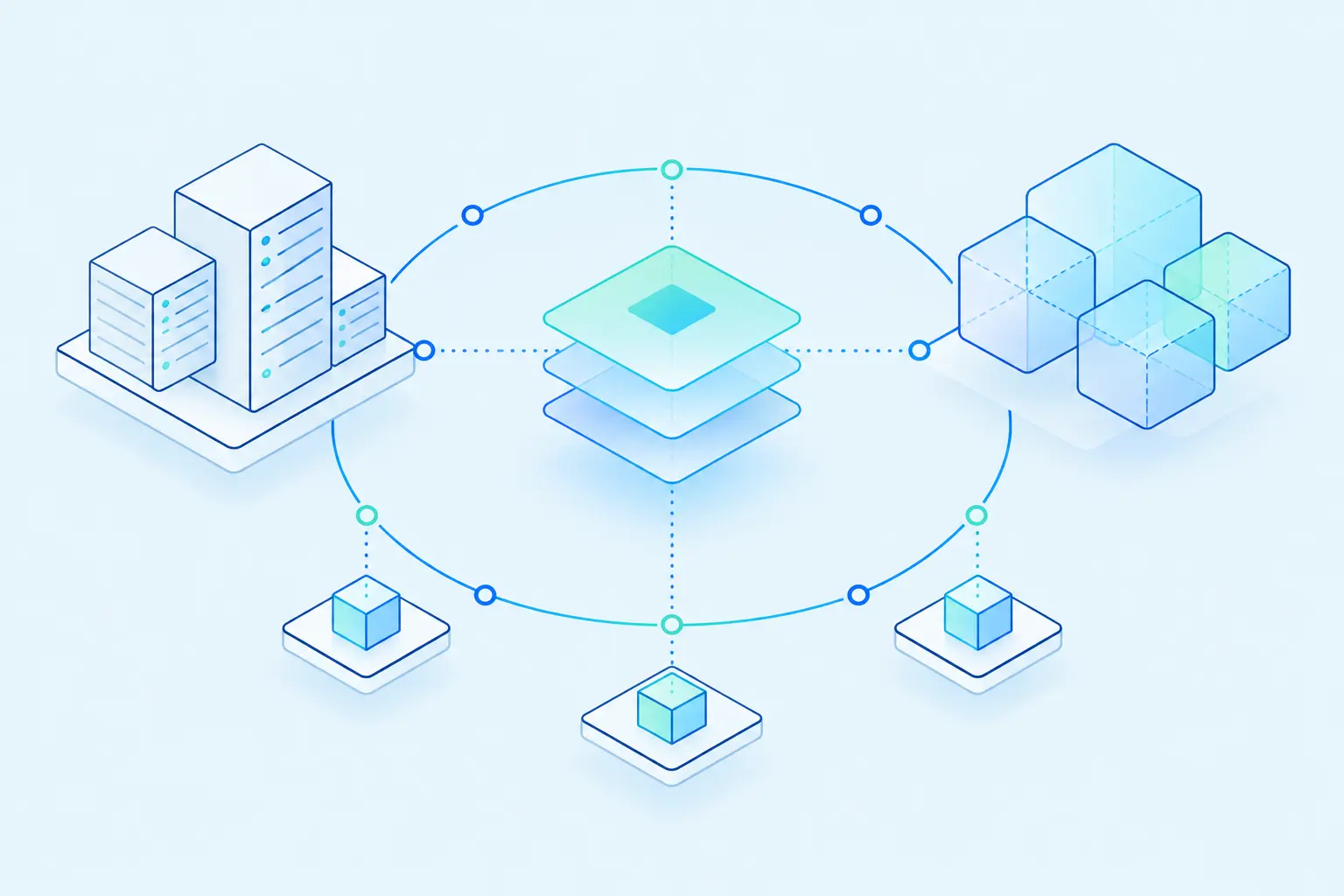
Cloud virtual machines provided capacity for standby recovery workloads in the public cloud. Kubernetes formed part of the client's cloud-native application environment; the project addressed the dependencies and configurations needed for that environment to work with the broader recovery design.
Existing security and monitoring tools were extended into the recovery platform to maintain visibility and support reporting. Techhands documented the implementation and validation results so the operating team had a record of what changed and what had been tested.
Modernized recovery without interrupting live operations
The client completed the transition across production, recovery, and VDI environments without disruption to live operations. Updated configurations improved replication reliability and recovery performance, while standardized templates reduced maintenance effort and made future upgrades easier to plan.
The compatibility work addressed the identified gaps involving public cloud Kubernetes deployments. Documented health checks and validation reports also strengthened audit readiness by giving the client evidence of the changes and tests performed.
The next stage
Techhands continues to work with the client on further improvements. Planned work includes API-based automation for recovery testing and reporting, extending recovery orchestration to additional cloud environments, and more proactive monitoring. These steps build on the completed platform transition and aim to make recovery readiness easier to maintain as the environment evolves.