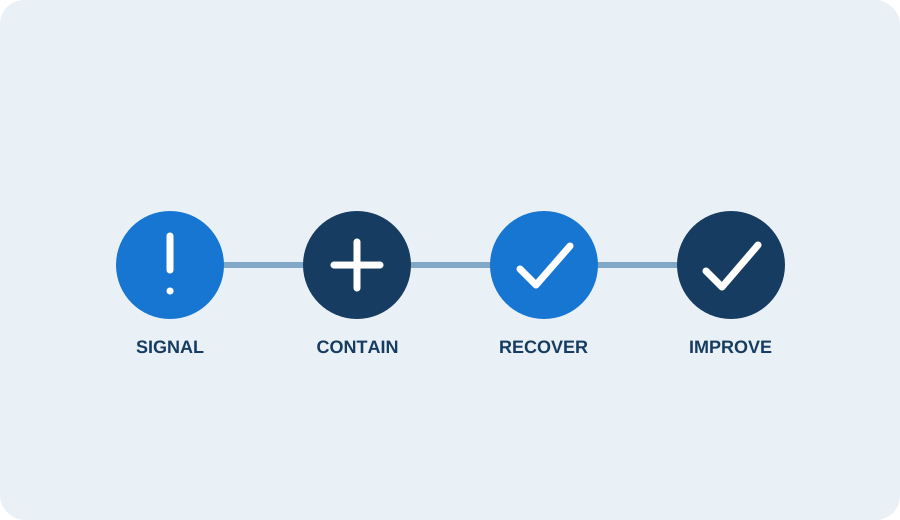
Recovery confidence begins before the outage.
How immutability, replication, testing, ownership, and recovery priorities turn backup technology into business resilience.
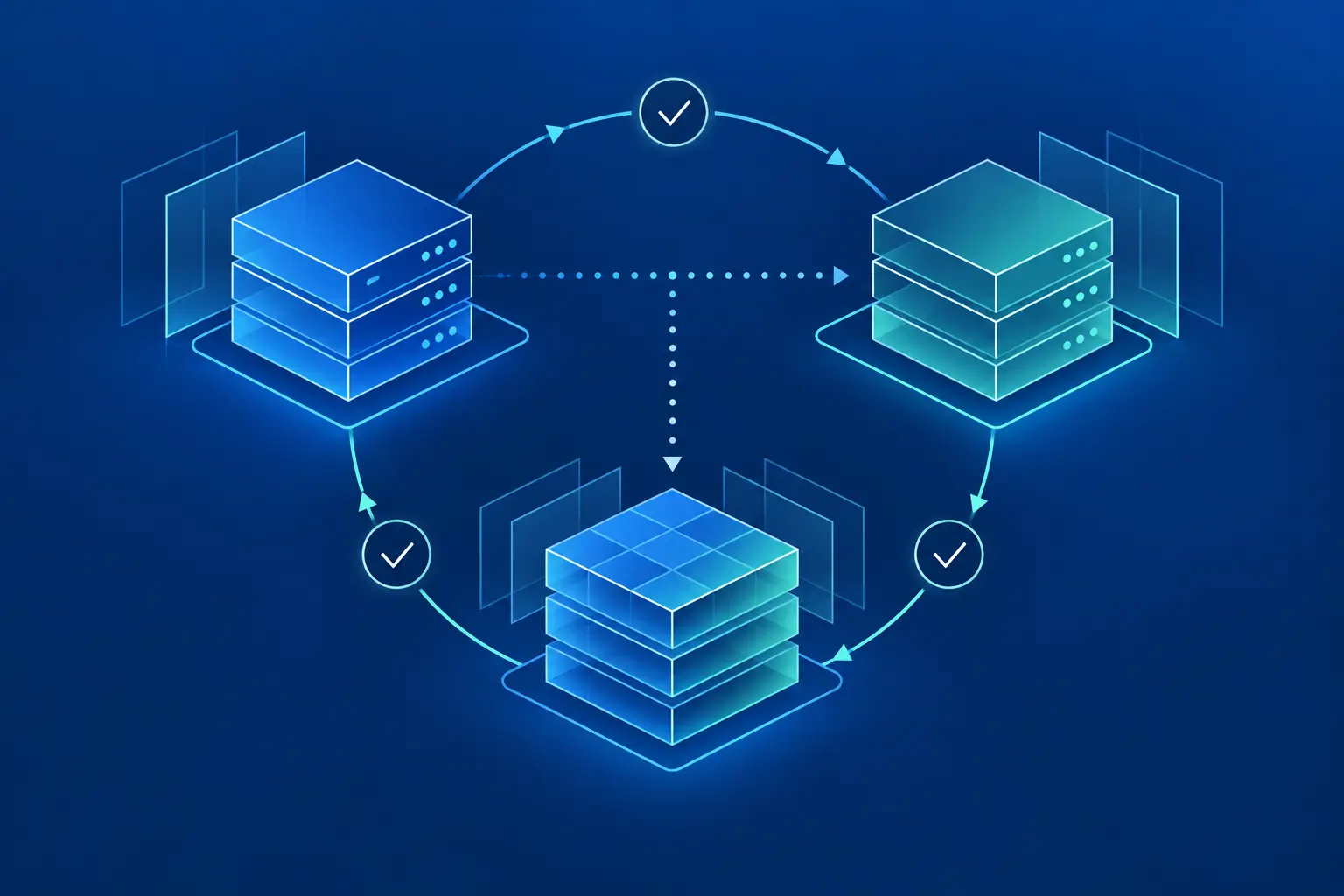
A successful backup is the beginning of the evidence
A backup report can show that data was copied successfully. It does not establish that an application can be recovered in the required time or that the people responsible can complete the process.
Organizations with critical finance, customer, or production systems need to turn backup activity into demonstrated recovery capability.
Define what must be recovered first
Techhands connects recovery planning to business priorities. Agree on acceptable downtime and data loss, then identify the applications and supporting services required to meet those expectations.
The recovery sequence should include identity, networking, credentials, and external dependencies. A restored application that nobody can access has not yet restored the business service.
Example recovery test record
- Identify the service, recovery owner, test date, and approved recovery targets.
- Record the restore point, backup integrity checks, required credentials, and dependencies.
- Time the restore and application validation separately; record data loss against the target.
- Capture the test outcome, limitations, and any manual steps needed.
- Assign corrective actions and a retest date. A successful backup job alone is not a passed recovery test.
Protect the recovery environment
Independent backup copies, restricted administrative access, and immutable or offline protection can help preserve recovery options. Veeam describes an extended backup approach that includes an additional protected copy and recovery verification.
Technology choices should be matched to the threat and operating requirements. Replication, for example, can help with availability but may also carry unwanted changes to another location; independent recovery points remain important.
Practice, record, and improve
A useful exercise records the recovery steps, elapsed time, business validation, and anything that prevented completion. Corrections should be assigned and checked in a later test.
The outcome is a more credible recovery conversation. Leaders can see what has been demonstrated, where capability falls short, and which improvements deserve attention before an outage makes the decisions urgent.