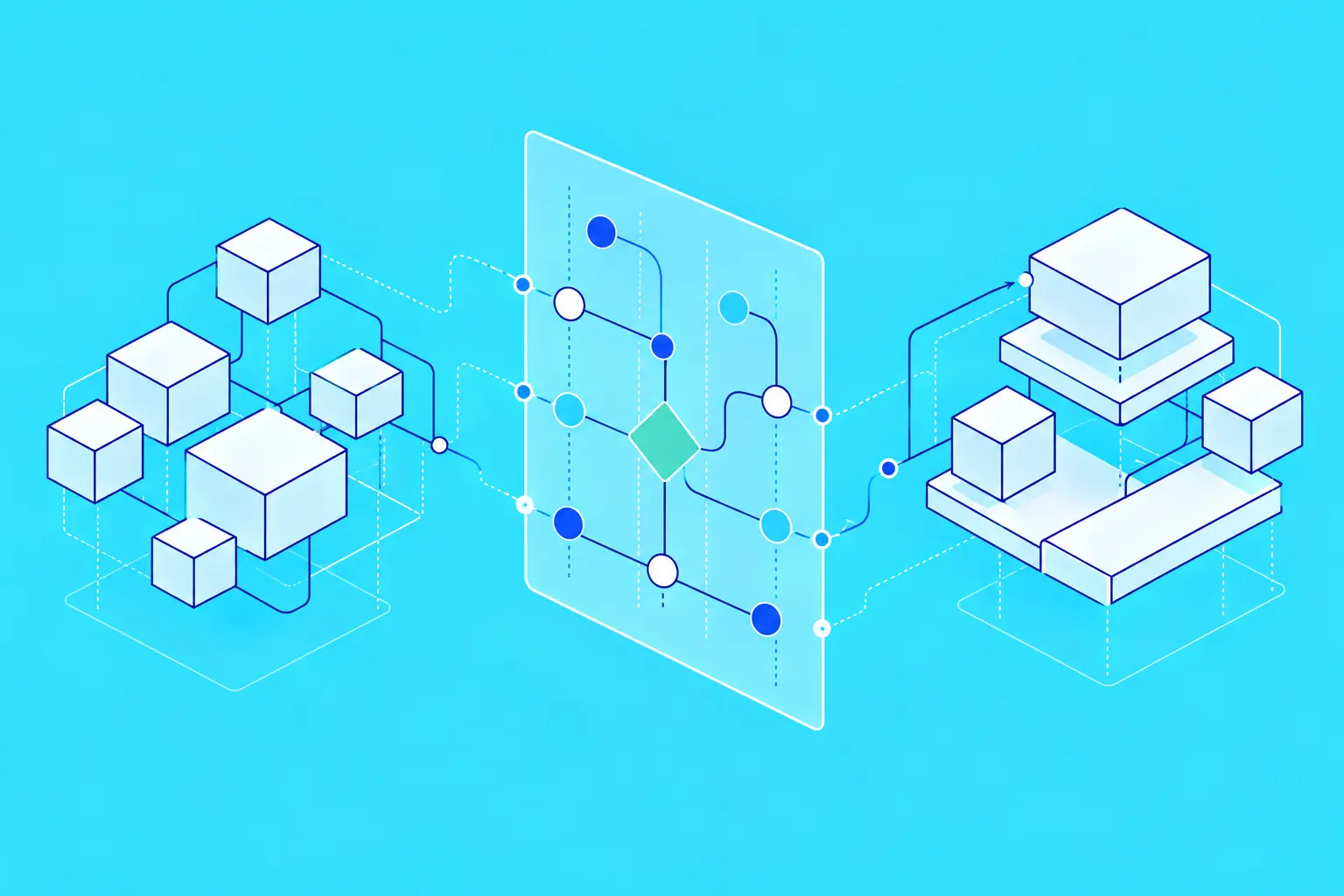
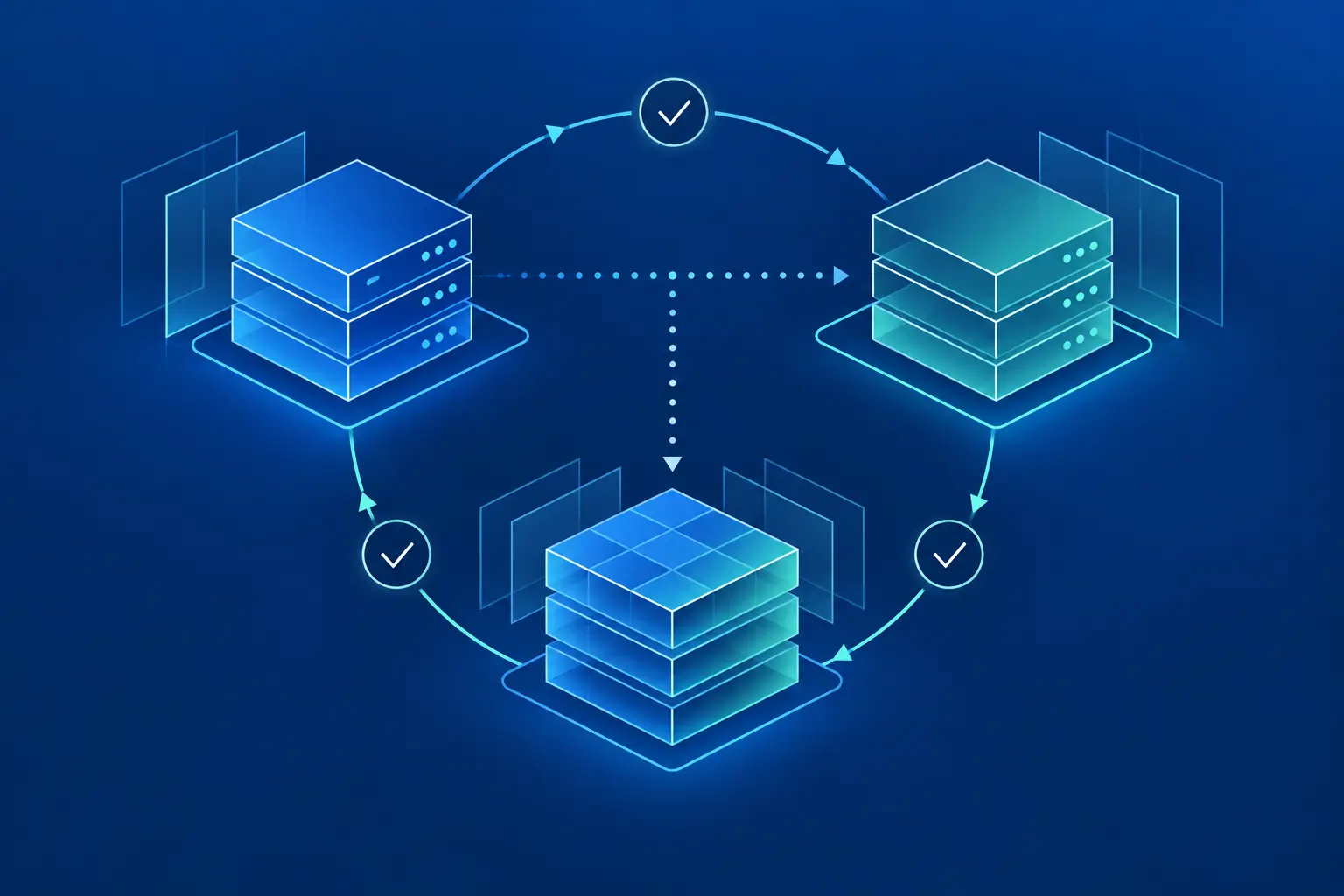
Hybrid infrastructure is an operating model—not a location.
Why workload placement, connectivity, security, recovery, and cost must be designed as one system.
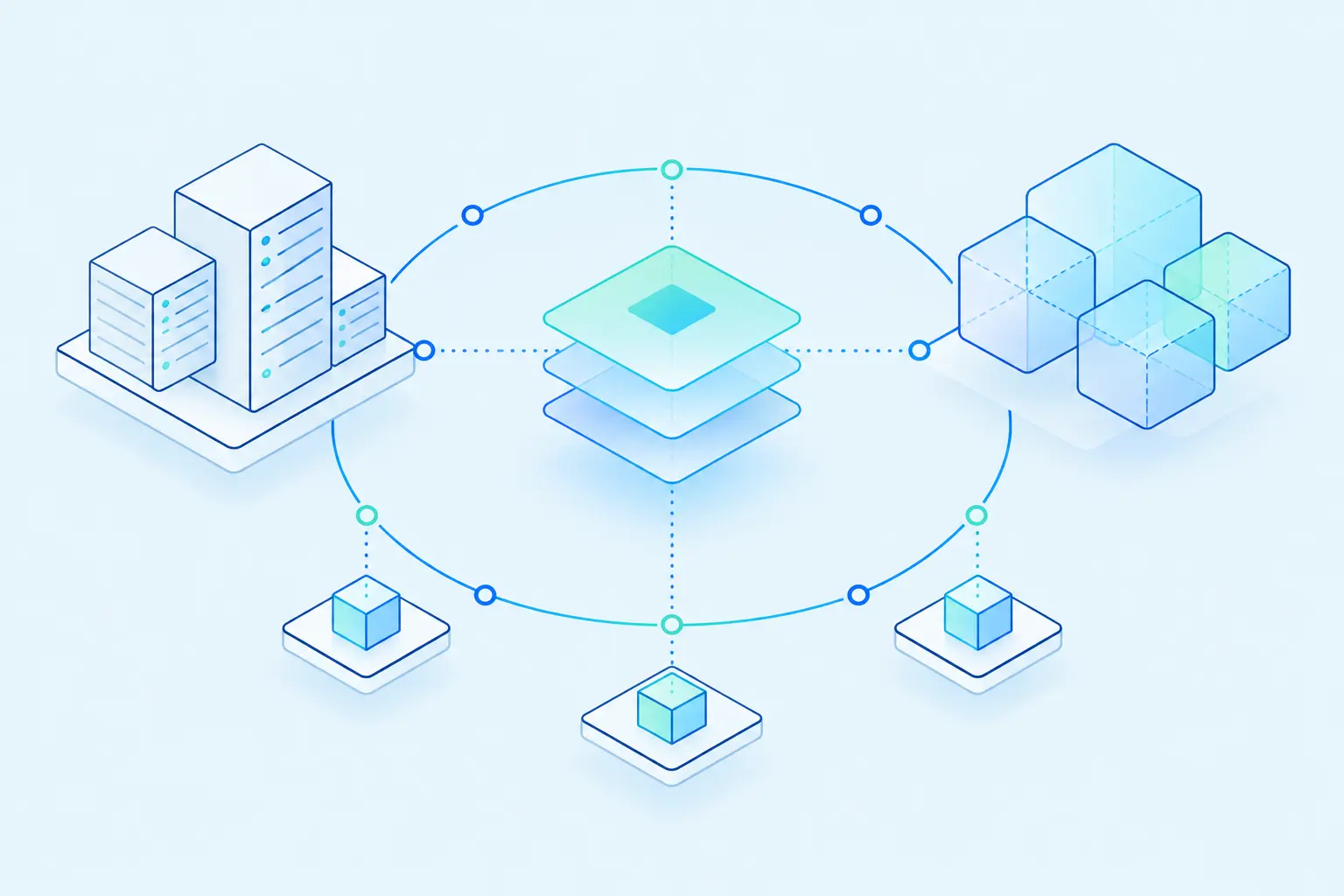
Location does not define the operating model
A business can run workloads in a data center and in cloud services without having a coherent hybrid platform. If access, monitoring, support, and recovery are handled separately, the organization still has disconnected environments.
Manufacturing, healthcare, and professional services organizations often need a mix of locations. The important question is how that mix works as one service.
Follow the dependencies across boundaries
Techhands maps how applications use identity, data, connectivity, and supporting services. A cloud application may still rely on an on-premises directory or a connection to a local system.
These relationships shape placement and resilience decisions. A component cannot be evaluated only by the availability of its own hosting environment if it depends on something less resilient elsewhere.
Illustrative dependency check
Example: a cloud-hosted application still reads files through a connection to an office server. The application can be available while the business workflow is not. Record the connection, file service, identity dependency, and responsible owners as part of the service map. Test an agreed loss-of-connectivity scenario and document what users can do, which data remains available, and how the team restores normal operation.
Create common operating practices
The platform needs clear responsibilities for access, changes, monitoring, backup, and incident response. Shared standards can cover these practices even when the underlying technologies differ.
Automation can help make common tasks repeatable, but the team also needs documentation and an exception process. A consistent operating model should reduce uncertainty rather than force every workload into the same technical pattern.
Judge hybrid by the service it delivers
Useful measures include end-to-end service health, recovery readiness, change success, and the effort required to investigate a problem across environments. Cost should include connectivity and operational work as well as hosting.
The outcome is a platform whose placement choices remain flexible because its responsibilities are clear. Hybrid works when the organization can operate the whole environment, not simply connect its locations.