Resilient Operations for a Healthcare Network
An 11-month migration covering more than 150 servers across a 15-center healthcare organization.

Protecting the technology behind 15 health centers
A nonprofit healthcare organization operating 15 federally qualified health centers faced an expensive infrastructure decision. Its on-premises servers were approaching end-of-life, with refresh cycles requiring roughly $300,000 every three to five years. Some software licensing costs had also tripled.
Buying more hardware would address immediate capacity needs, but it would leave the organization with the same purchasing delays and recurring refresh costs. Leadership wanted a more flexible environment without diverting further resources from patient services.
The electronic medical record (EMR) system and related workloads were central to that decision. Techhands planned and completed an 11-month migration covering more than 150 servers, moving those systems to a public cloud platform while accounting for the client's existing tools and staff capabilities.
Plan around the EMR and the people supporting it
Techhands began by assessing the existing infrastructure and designing a cloud architecture suited to the organization's applications and operating needs. Familiarity mattered: the team selected an approach that built on the tools and skills already in place, making the new environment more practical to support.
Server discovery and assessment tools informed the migration plan. Techhands then used cloud migration tooling to move the EMR and supporting systems onto virtual machines, with continuity of clinical operations guiding the work.
The project also drew on accelerated migration support, including specialist guidance, hands-on assistance, and funding support. This helped the team complete the migration in 11 months against an initial expectation of 12 months or more.
Connect hosting, security, and recovery
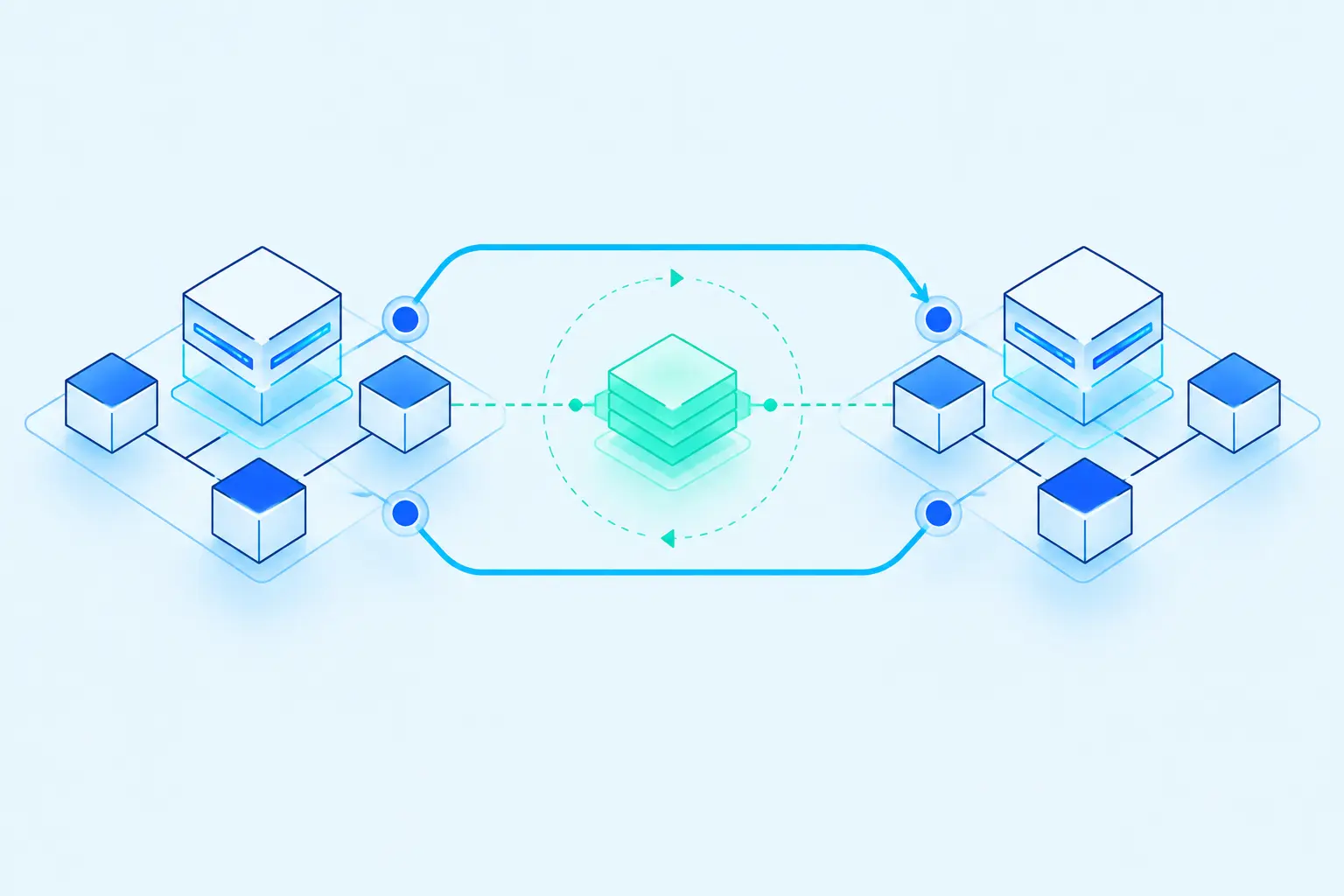
Cloud virtual machines became the hosting platform for the EMR and related applications. Moving compute and storage into the cloud removed the need to purchase and install physical servers each time capacity increased. The client could provision additional resources in minutes instead of waiting months for hardware.
Cloud migration tools supported discovery, assessment, and the transfer of on-premises workloads. These tools gave Techhands a structured way to prepare and execute the move across more than 150 servers.
Existing security solutions were extended into the cloud to improve visibility and protection for sensitive patient information. Building on familiar controls helped the client maintain a consistent security approach as the hosting environment changed.
Techhands also began reconfiguring the disaster recovery strategy for a full cloud-based recovery environment. That work remained a next phase, with its anticipated savings kept separate from the migration's completed results.
Lower costs and more time for patient services
Eliminating a third-party software license saved the organization more than $200,000. System performance improved by 20%, and twice-yearly EMR upgrades dropped from five hours to three. Shorter upgrades reduced the time staff needed to spend on that maintenance work.
Capacity changes became more responsive to business needs. New servers and storage could be added in minutes, supporting the rollout of services without another lengthy hardware purchasing cycle. Extending security controls also gave the team better visibility into the cloud environment.
The disaster recovery redesign is expected to deliver an additional $100,000 in annual savings once implemented. That figure is a projection, not a realized result. Together, the completed migration and ongoing recovery work give the organization a clearer path to supporting growth while keeping more resources available for its healthcare mission.