01
Infrastructure Strategy & Architecture
Turn business priorities, workload dependencies, performance requirements, and risk into a clear target architecture and sequenced modernization roadmap.
The foundation behind every application, decision, and customer experience.
Techhands designs, modernizes, and operates hybrid and on-premises foundations: networks, data centers, compute, storage, virtualization, and recovery, including the connections to Microsoft Azure and AWS.

Cloud, networks, compute, storage, and recovery are interdependent. Techhands brings them together in one practical platform strategy, then carries that strategy through migration, engineering, and day-to-day operation.
Turn business priorities, workload dependencies, performance requirements, and risk into a clear target architecture and sequenced modernization roadmap.
Connect on-premises environments with Microsoft Azure and AWS so workloads can run where they fit best—without fragmenting governance or operations.
Design resilient LAN, WAN, Wi-Fi, SD-WAN, and cloud connectivity that gives users, sites, applications, and devices dependable access.
Modernize servers, storage, VMware or alternative virtualization platforms, and hyperconverged infrastructure with capacity and lifecycle planning built in.
Protect critical systems with tested backups, immutable recovery options, replication, and recovery plans shaped by the business impact of downtime.
Reduce manual effort through monitoring, patching, infrastructure as code, automated runbooks, capacity management, documentation, and continuous optimization.
A cloud decision affects networking. A storage decision affects recovery. A security decision affects performance and access. Techhands connects those dependencies before they become operational problems.
Business priorities, dependencies, performance, data, and AI requirements determine what the platform must support.
Azure, AWS, private cloud, and on-premises infrastructure work as one estate rather than separate destinations.
Sites, users, devices, and cloud services connect through resilient, policy-led architecture.
Backup, replication, recovery, and continuity are engineered around the real business impact of downtime.
Monitoring, automation, lifecycle, cost, documentation, and ownership keep the platform dependable.
Microsoft Azure and AWS can extend the platform without becoming separate islands. Techhands connects them to the networks, virtualization, backup, governance, and operations already in place.

Managing infrastructure across offices, data centres, and cloud environments is a 24/7 responsibility, often taking internal IT teams away from higher-value work. Techhands manages your IT end to end, from provisioning and lifecycle management to monitoring, maintenance, security, and resilience. Our specialists provide flexible expertise and capacity, helping reduce operational overhead, improve reliability, and free your internal teams to focus on strategic business priorities.
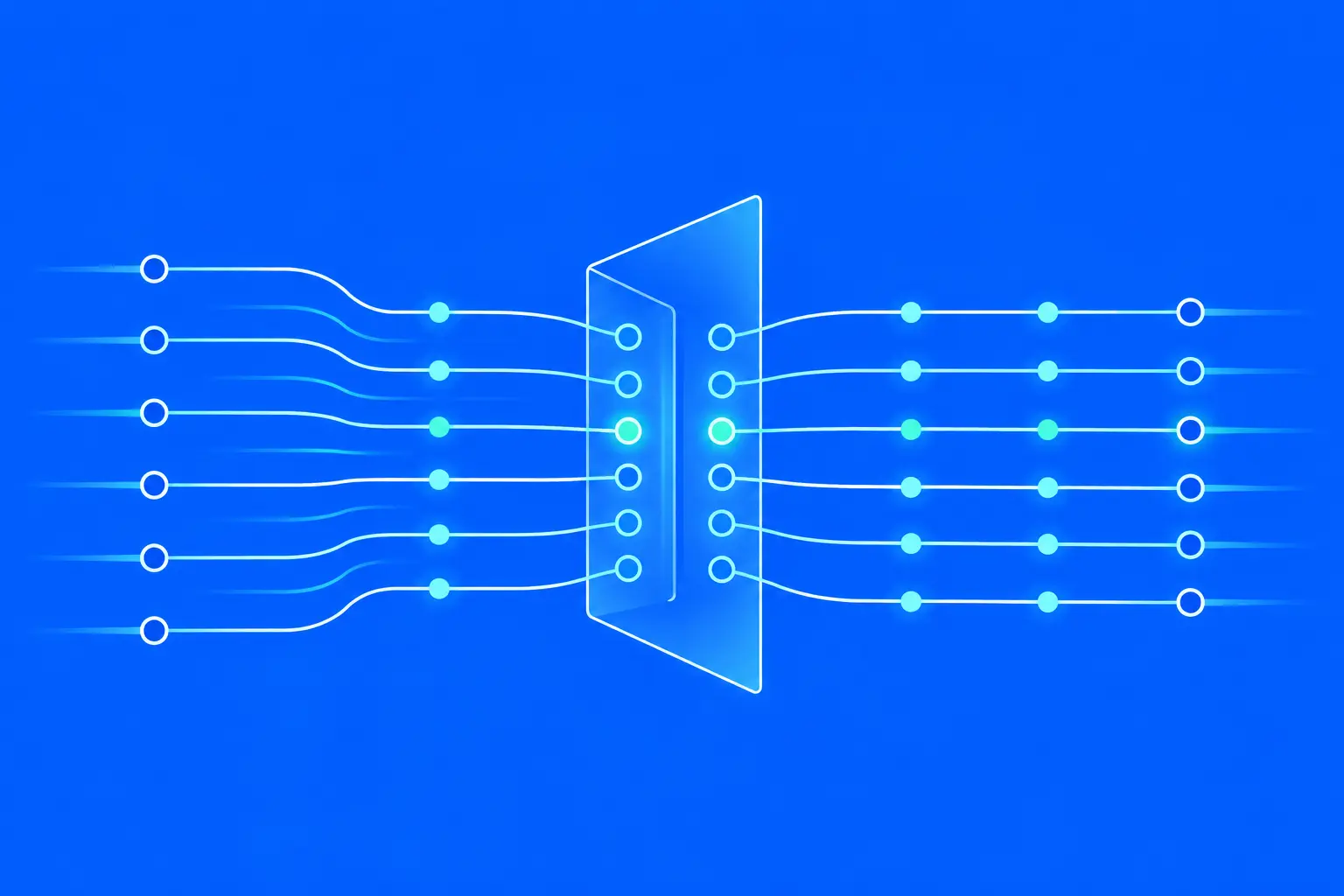
Techhands monitors your cloud and infrastructure environment 24/7, identifying potential issues and vulnerabilities early to help prevent disruption and maintain reliable performance.
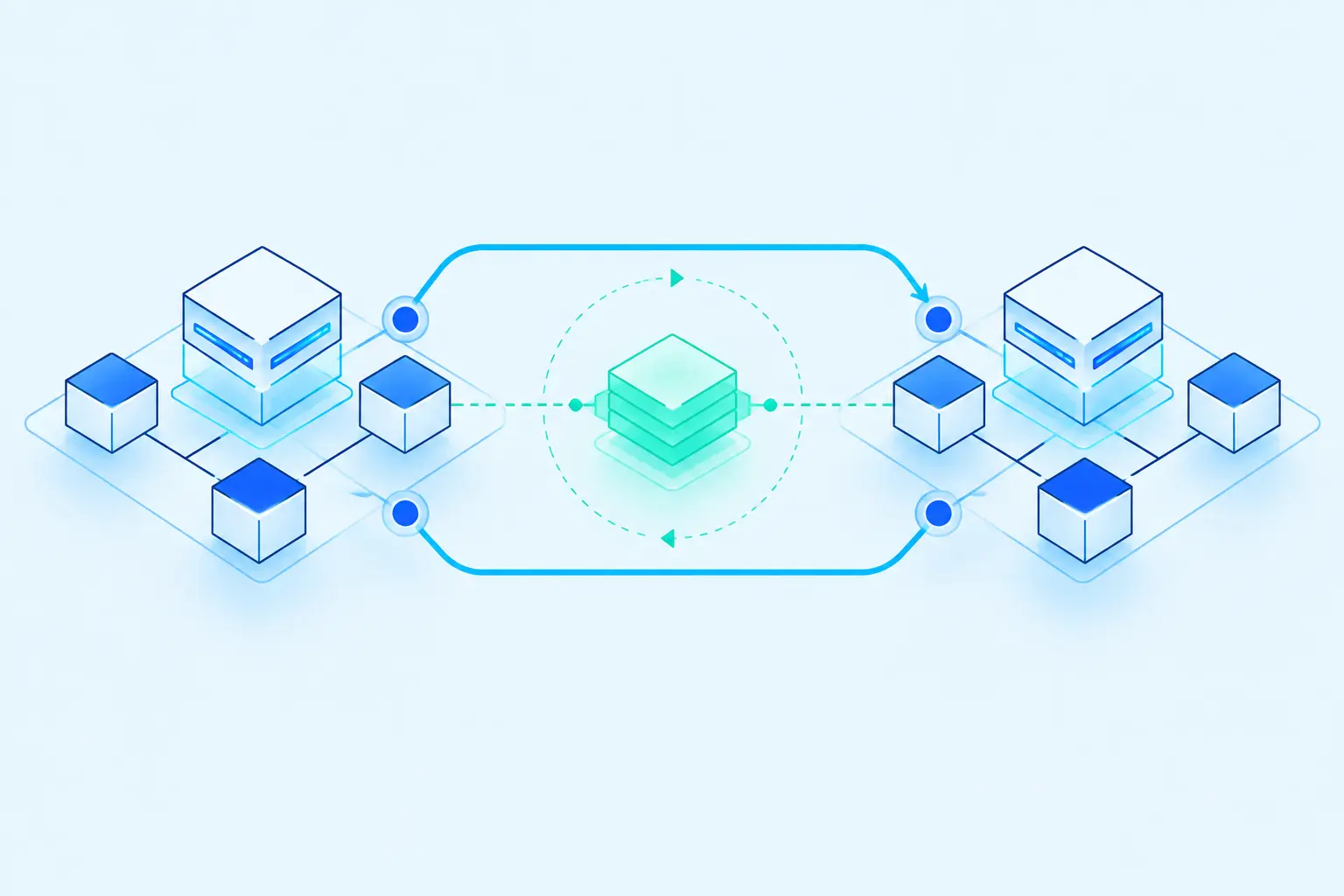
Our managed security services protect your infrastructure and reduce pressure on internal teams, with transparent reporting and full audit visibility through our ISO 27001-compliant service management platform.
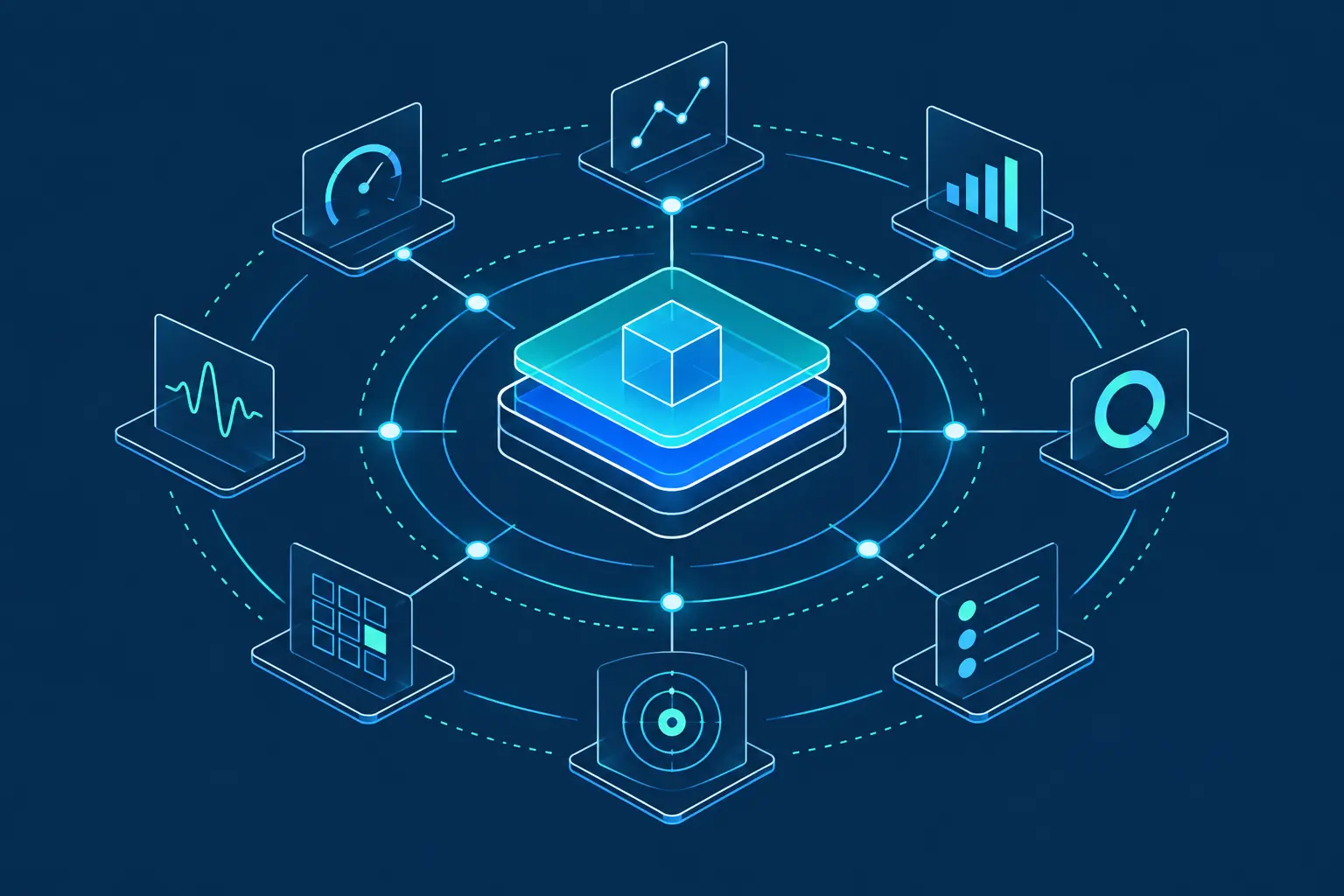
A blend of public cloud and high-performance private cloud gives you the flexibility to place workloads where they deliver the most value. Techhands cloud readiness assessment helps you identify the right balance for your applications, and business priorities.
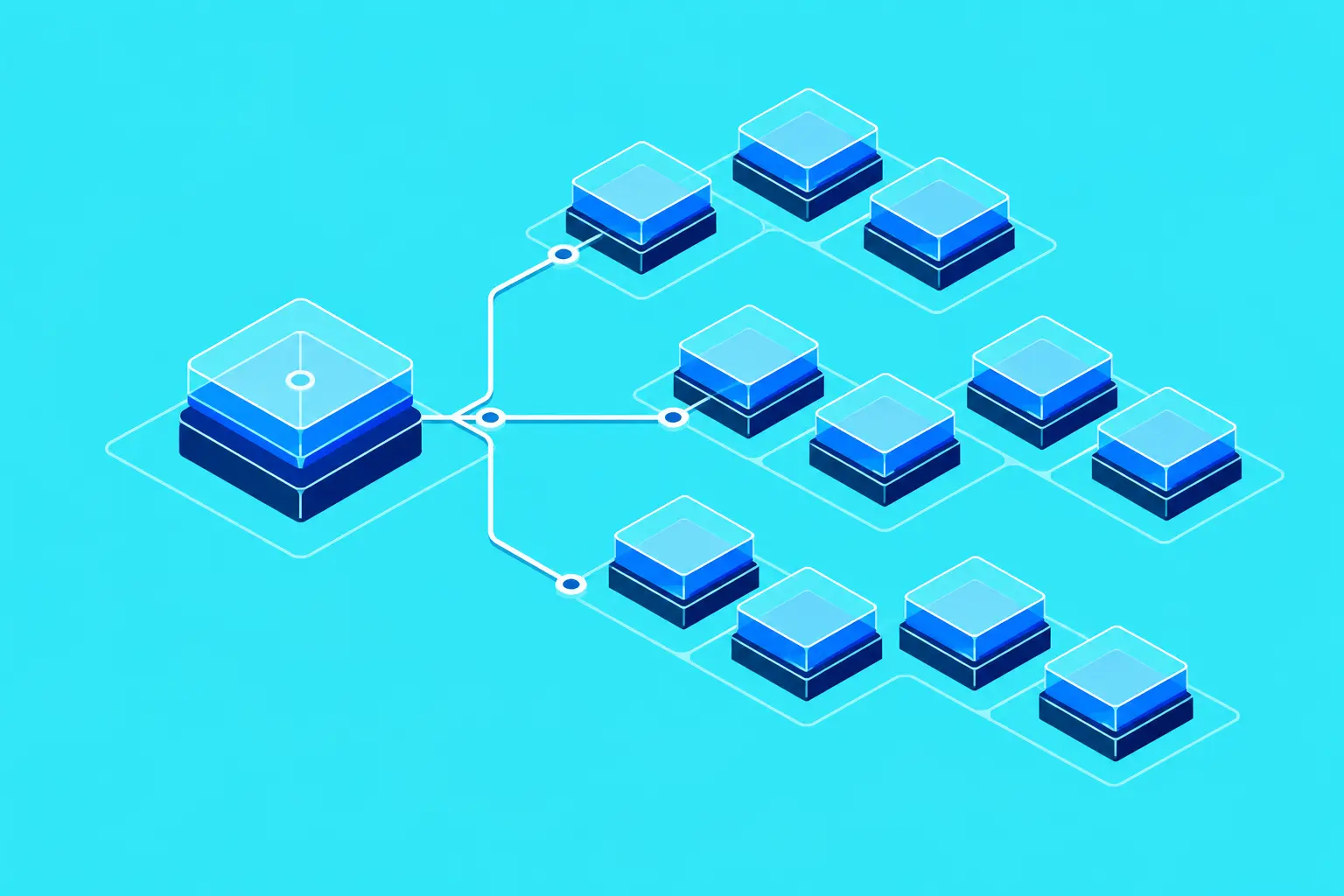
A reliable business continuity plan can make the difference between a short disruption and a major business incident. Acora’s cloud-based backup and disaster recovery services help protect your critical data and applications, enabling faster, more cost-effective recovery from physical, technical, or cyber-related events.
Techhands works across Microsoft Azure, AWS, VMware, Nutanix, enterprise networking, compute, storage, backup, and data center technologies. We modernize the environment as one connected platform—without losing sight of continuity, security, or day-to-day operations.
Technology choices matter. How Azure, AWS, VMware, Nutanix, networking, storage, and recovery work together matters more.
Client delivery experience and practical guidance on platform modernization and recovery.
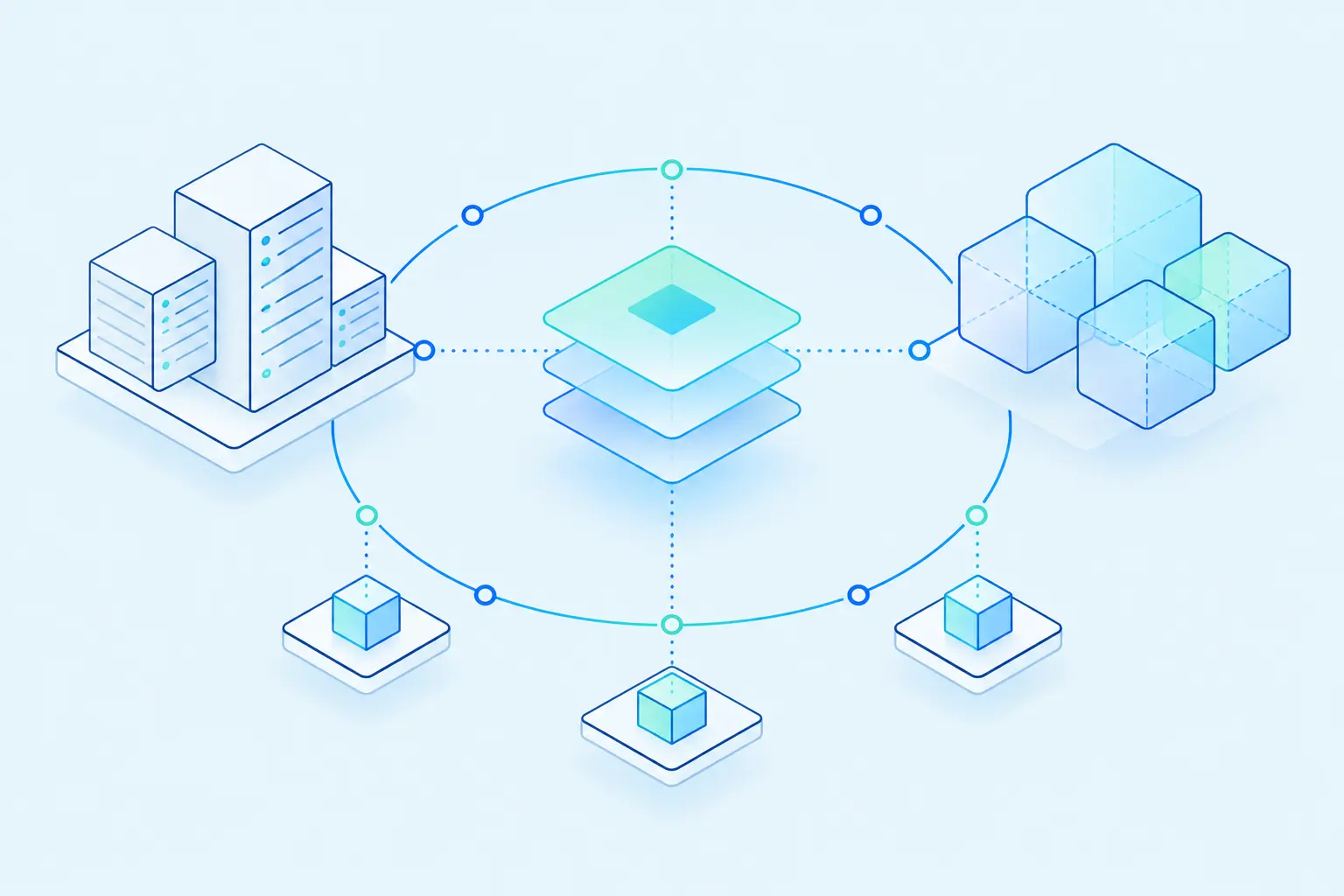
A move from an aging Texas environment to Nutanix in Southern California, with a 10 Gb backbone and coordinated workload migration.
Read client story →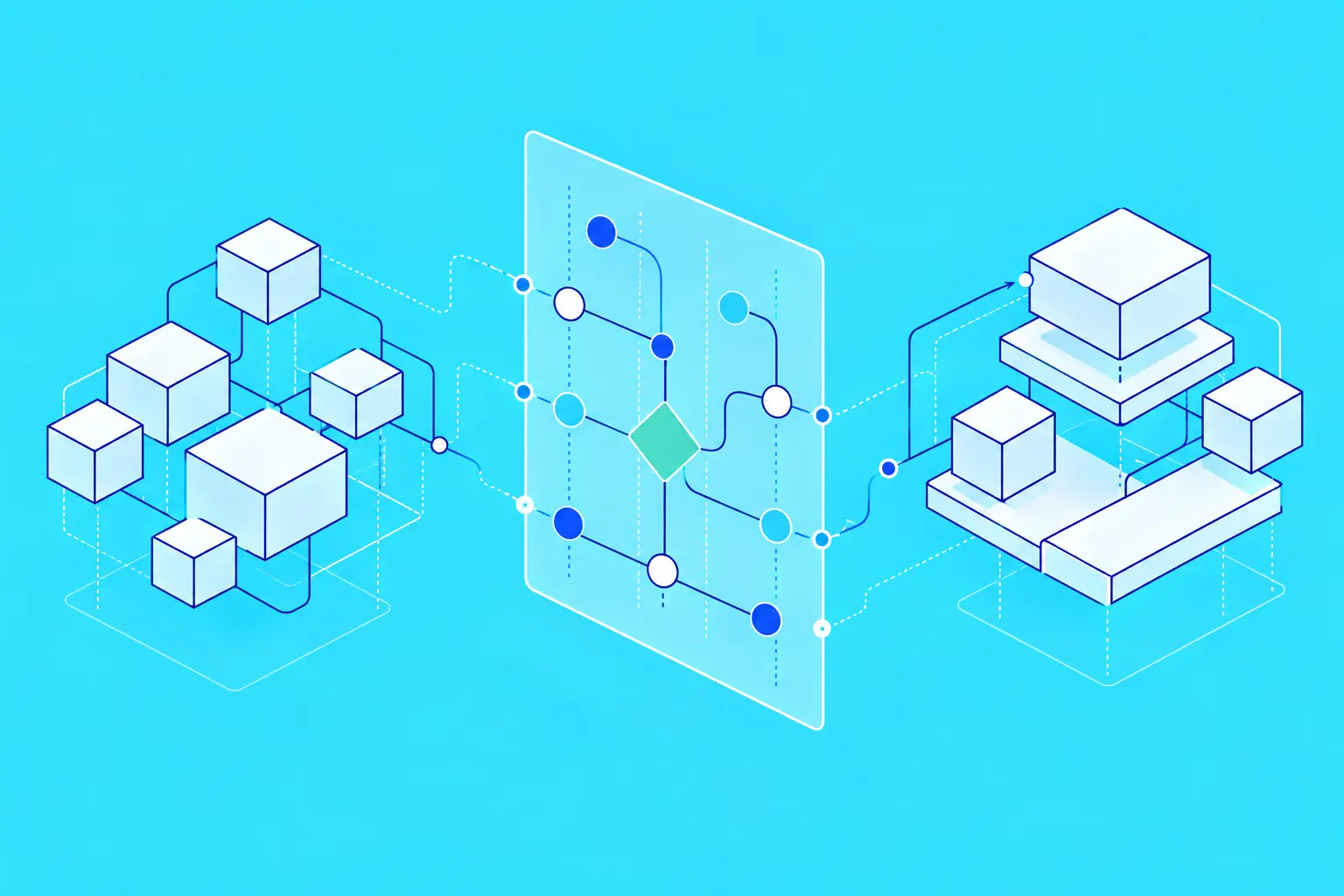
A practical review of dependencies, licensing, skills, capacity, migration risk, and future operating cost across VMware, Nutanix, cloud, and other options.
Read guide →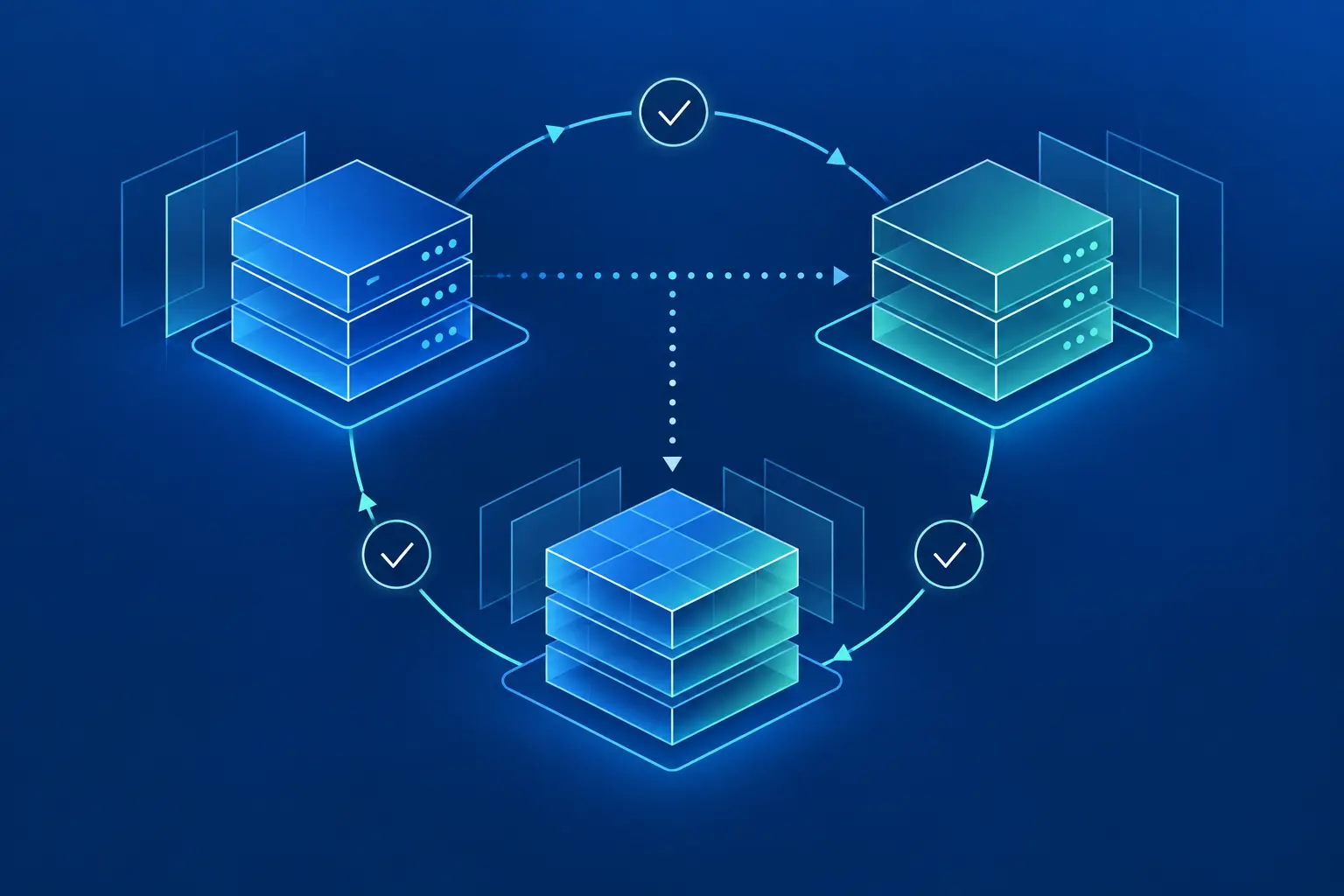
How immutability, replication, testing, ownership, and recovery priorities turn backup technology into business resilience.
Read insight →Clear answers create better architecture, migration, investment, and operating decisions.
Scope is shaped by the environment and priorities. Typical work includes discovery, architecture, networking, compute, storage, virtualization, Azure or AWS integration, backup and recovery, migration planning, implementation, documentation, and ongoing operations.
Yes. Most environments span several locations and platforms. Techhands designs the connections, standards, security, recovery, and operating practices that let on-premises infrastructure, public cloud, and edge locations function as one manageable estate.
Yes. Support can include cloud readiness, landing-zone and network design, workload placement, migration, governance, backup, cost visibility, monitoring, and integration with the identity and infrastructure already in place.
Yes. The evaluation considers application dependencies, licensing, performance, resilience, skills, migration effort, long-term operating cost, and strategic flexibility. The recommendation follows the workload and business case rather than a predetermined platform.
The work starts with business impact and recovery priorities, then maps those needs to backup, immutability, replication, recovery architecture, ownership, documentation, and testing. Recovery is treated as a capability to prove—not a configuration to assume.
Tell us what needs to improve, what must keep working, and the decision you need help making.
Start a Conversation →A focused conversation to understand the need and agree whether there is a useful next step.
The problem, its business impact, and what a useful result would look like.
The systems, people, providers, and constraints already in place.
Whether discovery, advice, a project, or operational support fits the need.