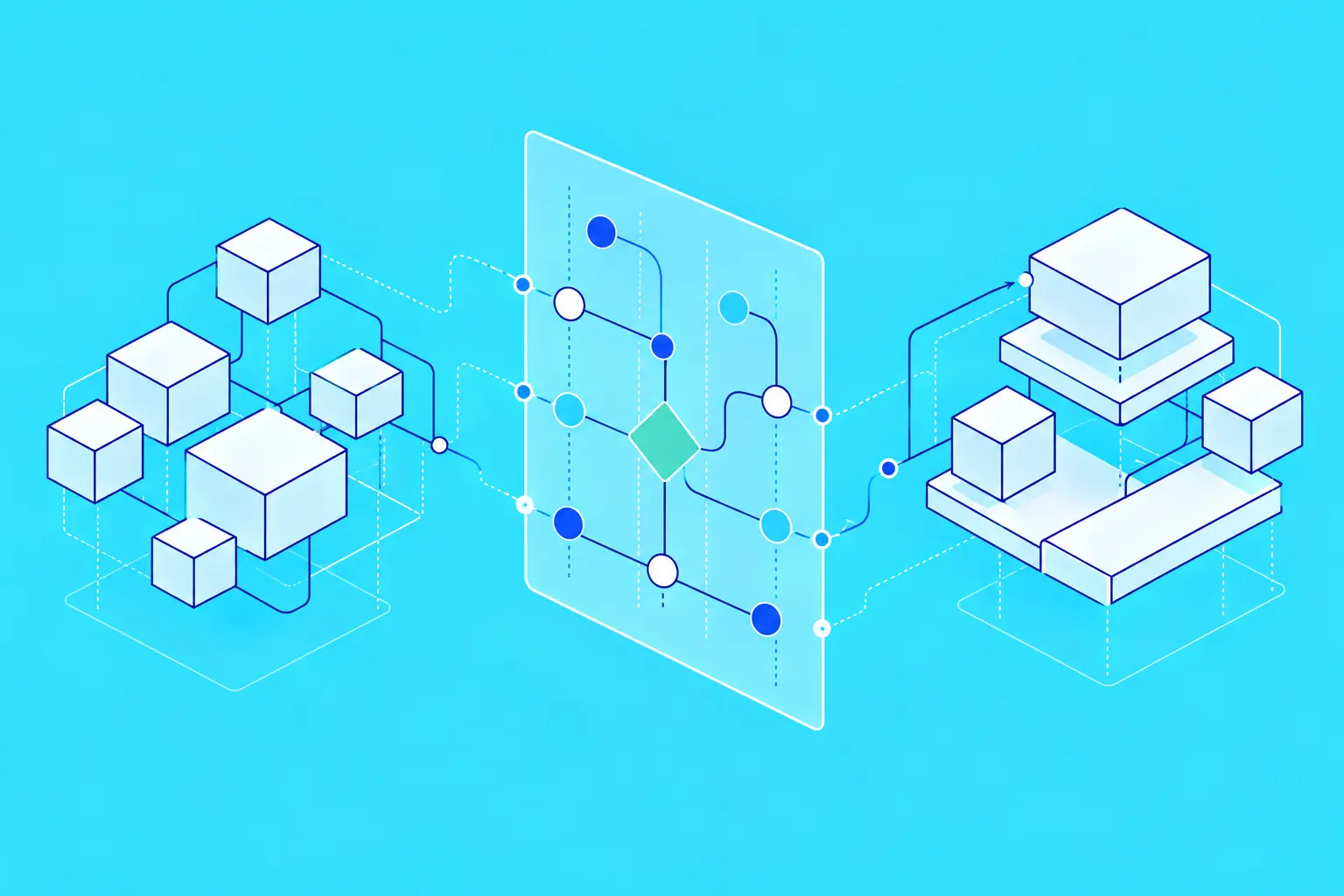
Modernize without losing operational continuity.
A practical way to sequence change while keeping teams, customers, and critical systems moving.
Modernization happens while the business is working
Finance teams still need month-end reporting. Store staff still need checkout systems. Employees still need access to their files. A modernization plan has to accommodate those realities rather than treating them as scheduling details.
Continuity does not mean avoiding change. It means controlling the sequence, recognizing failure conditions, and preparing people to respond.
Create a migration unit the team can validate
Techhands groups changes around meaningful business services and their dependencies. Each migration unit has a defined scope, a test plan, a communication owner, and a rollback decision.
Begin with a manageable move that tests the approach. Use what it reveals about access, data transfer, application behavior, and support workload to refine later stages.
Example cutover decision record
- Service and owner: name the business service and the person accepting the change.
- Entry checks: record backup/restore evidence, dependency tests, access, and support readiness.
- Window: agree start time, checkpoints, communications, and the latest safe rollback decision.
- Exit checks: validate the user journey, data consistency, monitoring, and support handover.
- Decision: record proceed, hold, or rollback, with the owner and supporting evidence.
Make acceptance concrete
A server starting successfully is not enough. Users should complete the transactions or tasks that demonstrate the service is usable. Supporting processes such as scheduled jobs, integrations, printing, and recovery also need attention.
The team should decide in advance which failures require rollback and how long that option remains practical. Data changes after cutover can make a return more complicated than the technical plan suggests.
Finish the handover before closing the project
Operational acceptance includes monitoring, support instructions, known issues, and ownership of follow-up work. Retire the old environment only after retention, recovery, and dependency requirements have been checked.
The result is a change process that makes risk visible and learning reusable. The next migration should benefit from the previous one rather than repeating the same discovery.