Incident readiness is an operating discipline.
How clear roles, rehearsed decisions, and dependable recovery reduce the cost of uncertainty during an attack.
An incident creates decisions before certainty
When a suspicious event appears, teams rarely have complete information. They may need to restrict access, interrupt a service, notify a business owner, or preserve evidence while the investigation is still developing.
Organizations in healthcare, financial services, retail, and other sectors benefit from deciding who can make those calls before the pressure arrives.
Rehearse the decisions that matter
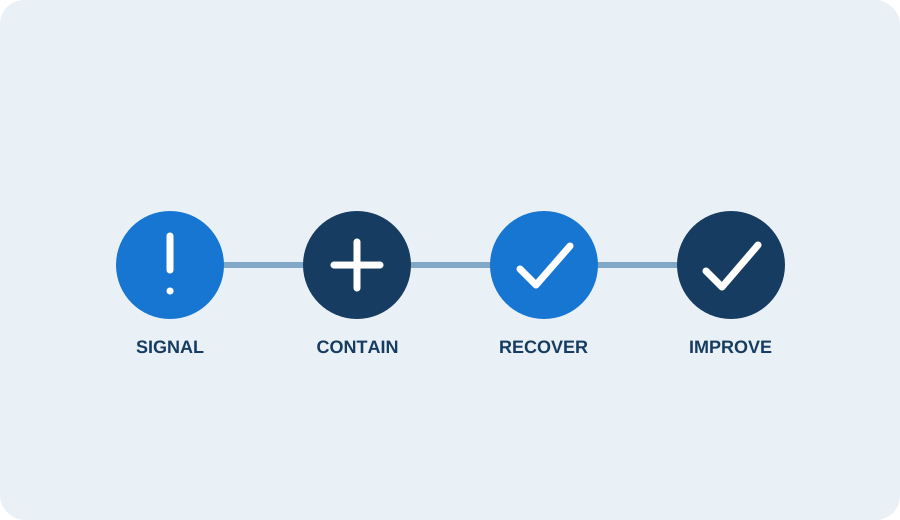
Techhands uses a focused exercise to follow a realistic event from the first report through containment and recovery. Participants include the people who own business services, technical response, supplier relationships, and internal communication.
The exercise should reveal uncertainty. If two teams assume the other will contact a supplier, or nobody can authorize a disruptive action, that is a useful finding to resolve.
Illustrative tabletop exercise
Scenario: an employee reports an unexpected sign-in prompt while a critical shared service becomes unavailable. This is a discussion exercise, not evidence of an actual incident.
- What information would you collect first, and who coordinates the response?
- Who can authorize account restrictions or service isolation, and how are business effects considered?
- How do you reach suppliers and decision makers if the normal communication system is unavailable?
- What evidence must be preserved, and who owns internal and external communication decisions?
- Who approves restoration, and what checks show the service can safely return to use?
End with assigned actions and a follow-up exercise. Record decisions that were unclear rather than treating attendance as proof of readiness.
Prepare information that survives the disruption
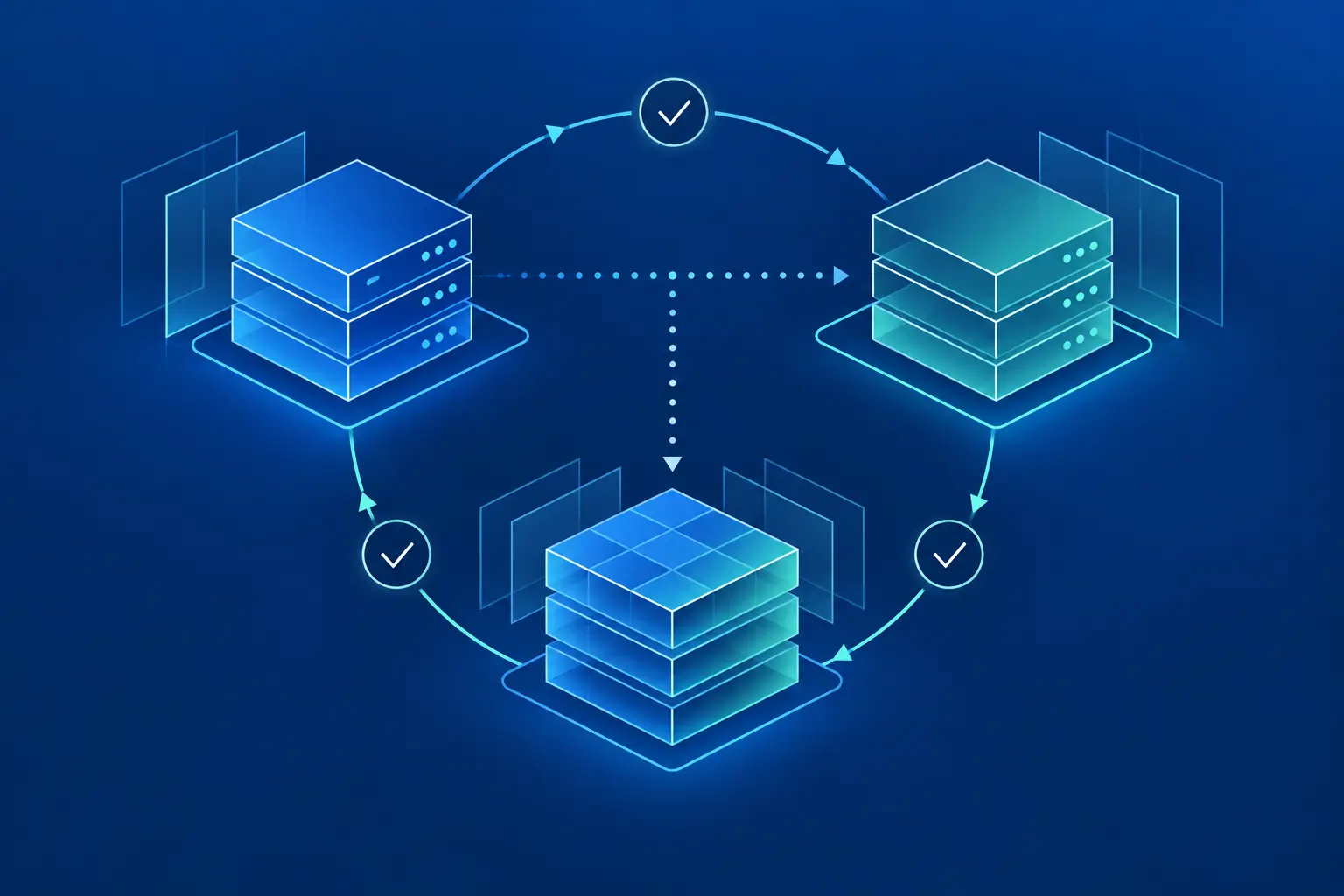
Response contacts, recovery instructions, and essential system information should remain accessible when normal communication tools are unavailable. Logging and evidence-handling procedures need to be understood by the people expected to use them.
Technical recovery is only part of the plan. The team also needs criteria for returning a service to use, confirming access, and communicating what remains unresolved.
Turn each exercise into a small improvement cycle
Record decisions that were delayed, information that was missing, and assumptions that proved wrong. Assign a person and a due date to each corrective action, then test the important changes.
Readiness is an operating discipline because people, systems, and suppliers change. A short, current plan that teams have practiced is more useful than a detailed document nobody can execute.