Observability turns support data into better decisions.
Why connected telemetry, useful service measures, automation, and ownership reveal recurring risk before another isolated alert becomes an outage.
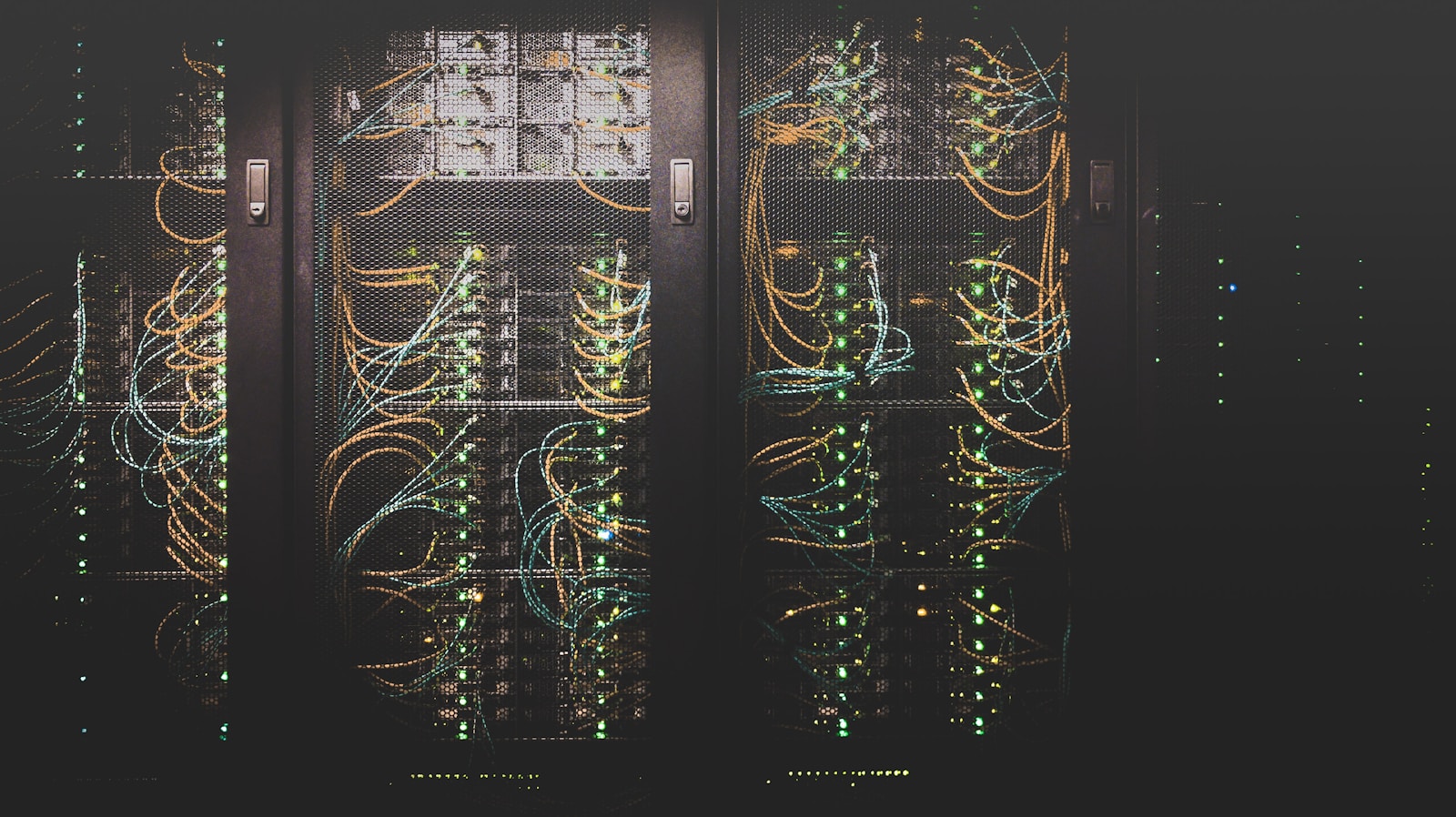
More alerts do not necessarily create more understanding
A technology team can collect large amounts of monitoring data and still struggle to explain why a service is unreliable. Infrastructure alerts, application events, and user reports may sit in separate systems.
For a distributed business, the missing connection is often the relationship between those signals and the experience at a specific location or service.
Begin with a question worth answering
Techhands starts observability work with practical questions: Why do users at one office experience slow access? Which change preceded recurring failures? Is demand approaching a limit?
Those questions determine which logs, metrics, traces, and support records are useful. Collecting everything without a clear purpose can increase cost and make investigation harder.
Illustrative alert-to-action example
- Signal: several sites report repeated application timeouts during the same period.
- Investigation: compare application, network, and change records before assigning a cause.
- Action: test the suspected dependency and apply a reviewed correction with a rollback path.
- Follow-up: track whether the same symptom recurs and update the runbook with the evidence.
Connect technical signals with operational context
A useful service view associates telemetry with applications, dependencies, locations, and owners. Change records and support tickets add context that raw measurements may not contain.
Alerts should identify a condition that warrants action and point to an accountable response. Repeated alerts without a meaningful action should be reviewed rather than allowed to become background noise.
Close the loop from observation to improvement
The output of an investigation should be a decision: adjust capacity, correct a configuration, change a process, or gather more evidence. Record whether the action reduces the original problem.
The outcome is a more informed operating rhythm. Observability earns its value when it helps teams understand behavior and improve service, not simply when it produces another dashboard.